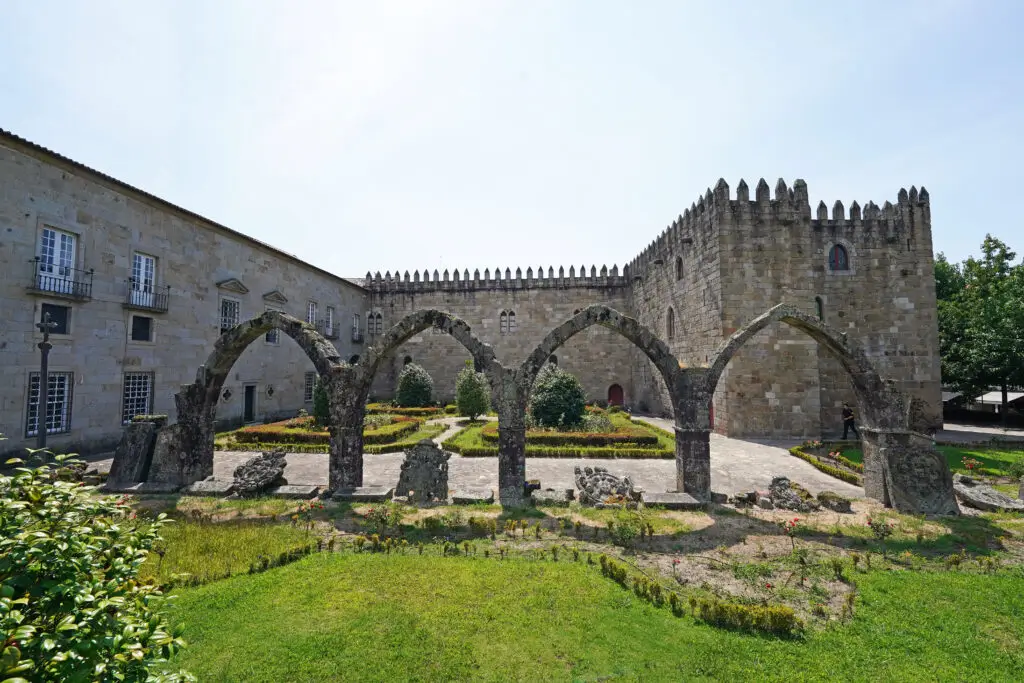
The Medieval Archiepiscopal Palace is one of the city's most emblematic monuments.
See more +
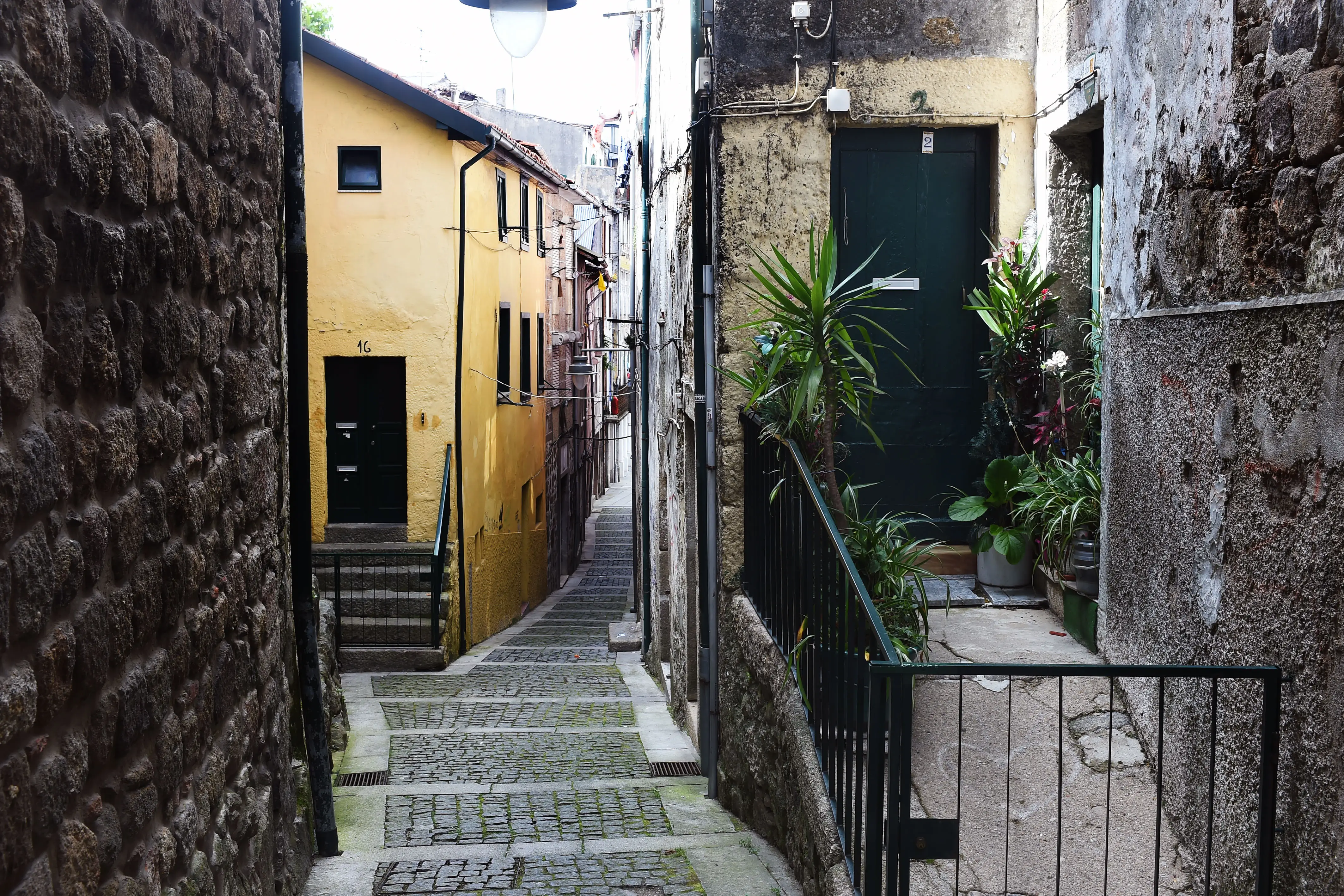
Braga's medieval wall, built from the 14th century onwards, is still visible at various points in the city's historic center, integrated into stores, houses and streets. It stands out in the Arco da Porta Nova and the Torre de Santiago, but its remains are scattered throughout the original perimeter, which can be walked between Praça da República, Rua de São Marcos, Rua do Anjo, Largo de São Tiago, Rua da Violinha, Rua Dom Frei Caetano Brandão, Praça Conde de Agrolongo and the Igreja dos Terceiros, closing the circuit at Arcada.
This layout corresponds to Braunio's map of 1584. Many people from Braga are unaware of these remains, which are preserved in private houses and commercial spaces, such as Rua de S. Marcos, Rua do Anjo, Rua Dom Frei Caetano Brandão and Rua da Violinha.
Part of the wall has disappeared due to various demolitions, but the towers that exist today date back to the 15th century, with the southwestern part of the wall being older and having Roman influences. Highlights include the Torre de Santiago, the Torre da Porta Nova (located in the Museu da Imagem) and the Torre do Postigo de S. Sebastião. You can also see traces of the Carvalheiras Tower in the museum space of the Domus da Escola Velha da Sé.
The wall is visible, for example, in some stores and several private homes in the historic center, where its integration has been enhanced. Construction work in the historic center is subject to mandatory archaeological constraints, in accordance with municipal and legal regulations, ensuring that interventions have archaeological monitoring from the design stage. As a result, the protection and study of Braga's medieval walls is guaranteed in most current urban development projects.
The Medieval Archiepiscopal Palace is one of the city's most emblematic monuments.
See more +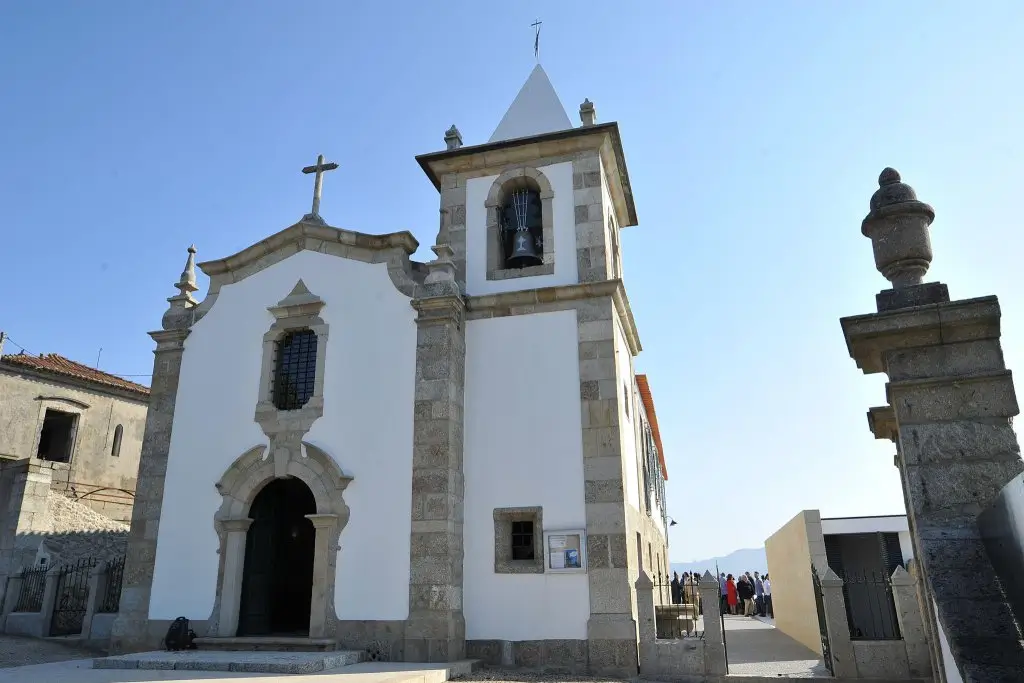
A precious example of Romanesque architecture in Braga, with its roots in an ancient 11th-century monastery dedicated to St. Michael.
See more +